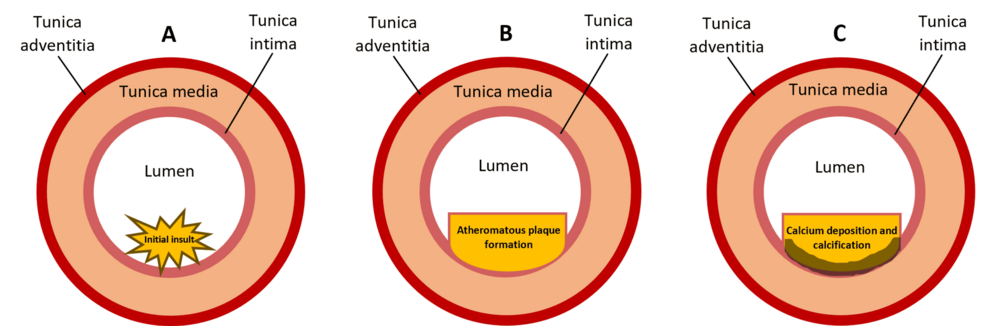
A review published by Cureus on October 18, 2026 examines how safe and effective intravascular lithotripsy is when used to treat calcified peripheral arterial disease. The paper, titled "The Safety and Efficacy of Intravascular Lithotripsy in Treating Calcified Peripheral Arterial Disease," was published by the open-access medical journal.
Peripheral arterial disease involves narrowed or blocked arteries outside the heart, and calcium buildup in those vessels can make them difficult to treat. Intravascular lithotripsy is a catheter-based approach that uses shockwaves to break up hardened calcium within the artery wall, according to Cureus.
The review focuses specifically on two questions: whether the technique is safe for patients and whether it works in this particular type of artery disease. The headline and summary released by Cureus do not include patient numbers, outcomes or comparison data, so the scale and findings of the review are not yet clear from the available material.
Calcified lesions are widely regarded in vascular medicine as a challenging subset to treat, which is part of why a dedicated safety and efficacy assessment has drawn attention. The Cureus paper adds to the published literature on the technique's use in peripheral arteries rather than in other vessel beds.
Readers should watch for the full text of the Cureus review, which will carry the study design, patient population and reported outcomes needed to judge how the findings should inform clinical practice.